English
 Français
When choosing a scented candle, the type of wax it’s made from directly impacts its burn quality, scent performance, and environmental footprint. Here’s a breakdown of the most popular materials used in scented candle production:
1. Paraffin Wax
Pros: Low cost, easy to work with, and excellent at holding strong fragrances (ideal for mass-produced scented candles).
Cons: Non-renewable; may release trace amounts of chemicals (like benzene) and produce more soot when burned.
Best for: Budget-friendly scented candles or bulk orders (common in mainstream retail brands).
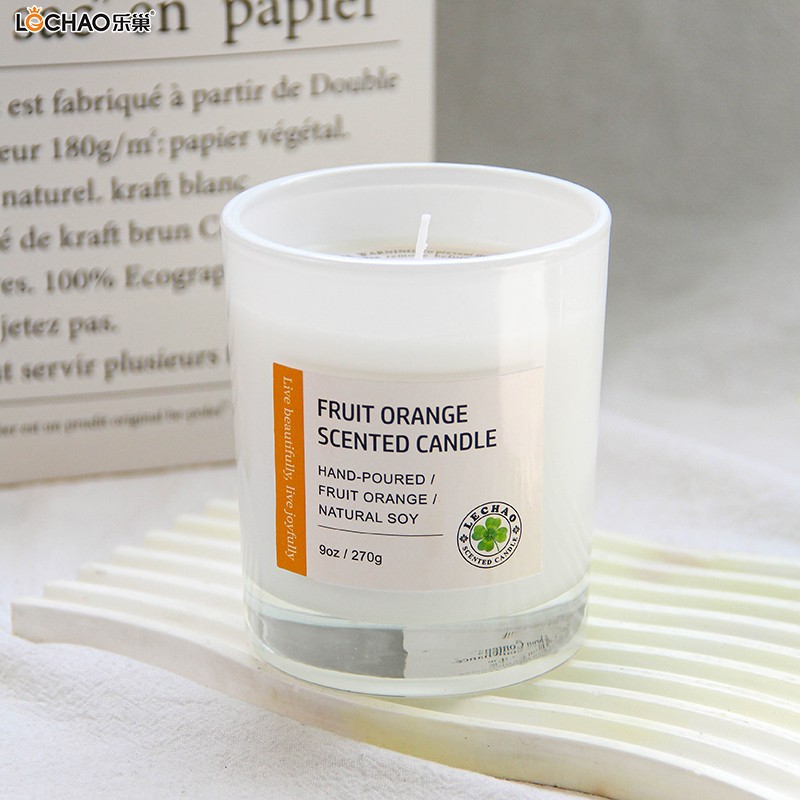
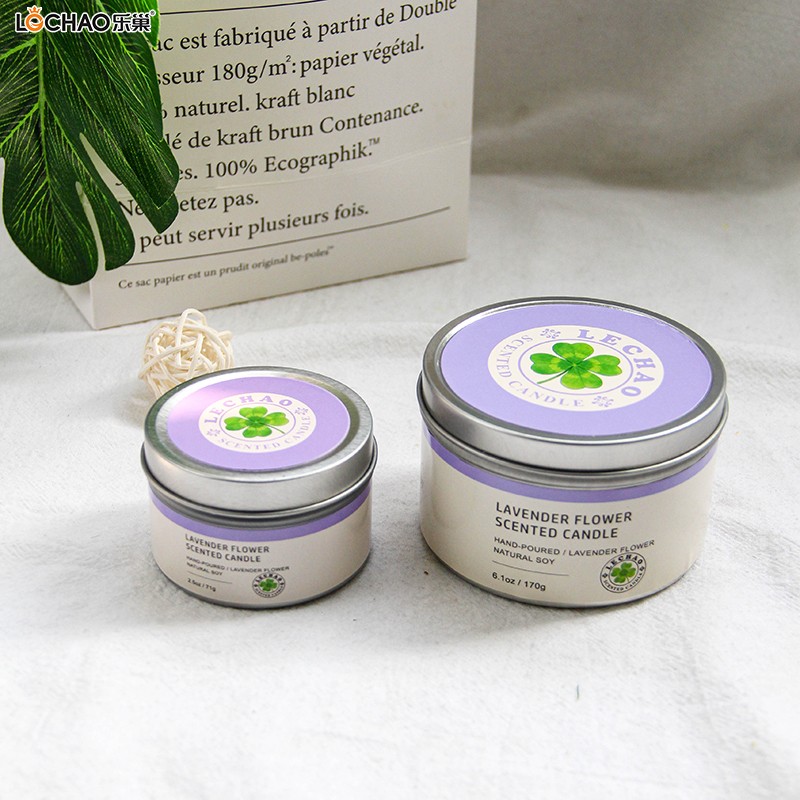
2. Soy Wax
Pros: Burns slower (30–50% longer than paraffin), produces minimal soot, and is biodegradable. It also retains fragrances well for a subtle, long-lasting scent throw.
Cons: May develop a “frosted” appearance over time; requires curing before use.
Best for: Eco-conscious consumers, container candles, and wholesale orders targeting sustainable markets.
3. Beeswax
Pros: Burns cleanly (emitting negative ions that purify air), has a subtle, sweet honey scent, and is renewable. It also has a high melting point, reducing dripping.
Cons: More expensive; limited scent customization (often paired with essential oils instead of synthetic fragrances); not vegan-friendly.
Best for: Luxury, all-natural scented candles or artisanal brands.
4. Coconut Wax
Pros: Burns cleanly with no smoke, holds fragrances exceptionally well (for rich scent diffusion), and has a smooth, creamy texture. It’s also renewable and ethically sourced (when certified).
Cons: Soft texture (often blended with soy wax for stability); higher cost than soy or paraffin.
Best for: Luxury scented candles, wholesale orders for high-end retail, or eco-luxury brands.
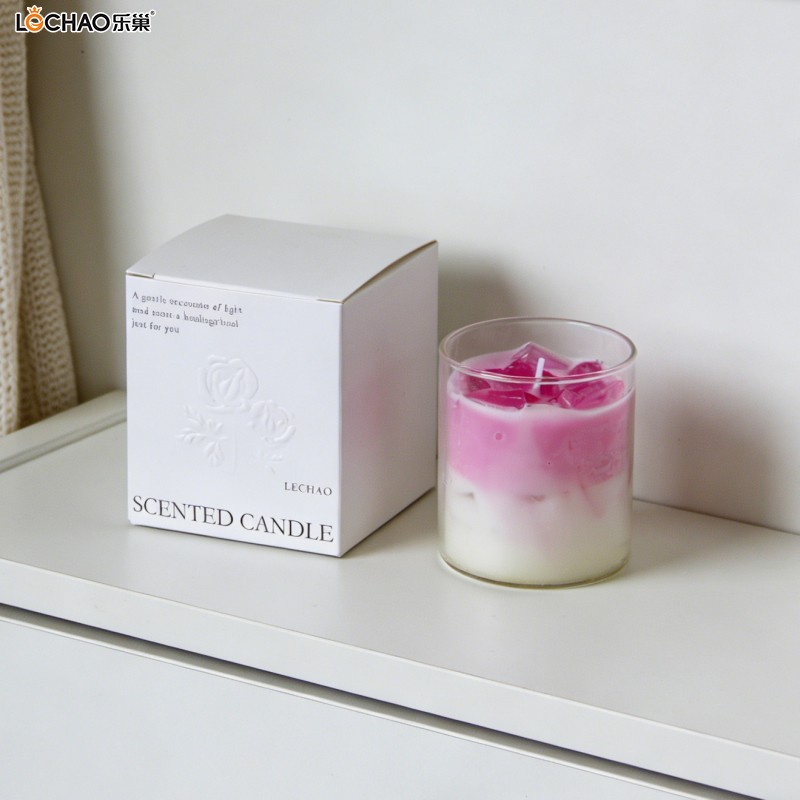
5. Gel Wax
Pros: Creates visually striking decorative candles (perfect for embedding beads, shells, or flowers) and has strong scent retention. It also burns longer than traditional waxes.
Cons: Non-renewable (petroleum-based); less common for everyday scented candles.
Best for: Decorative scented candles (e.g., floating candles, gift sets with visual elements).
How to Choose the Right Wax?
Paraffin works for cost-effective bulk orders.
Soy or coconut wax appeals to eco-focused retailers.
Beeswax suits luxury or artisanal markets.