English
 Français
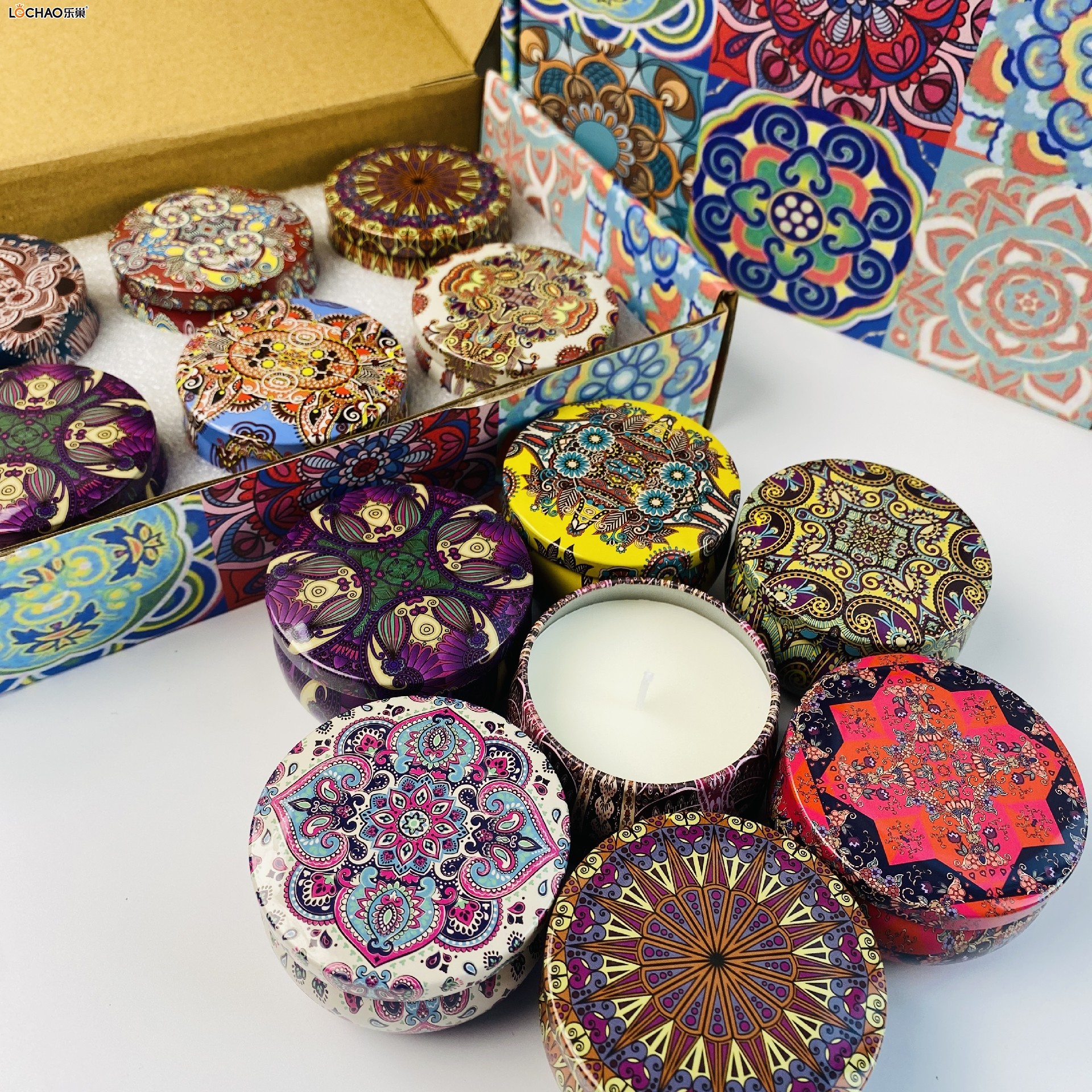 Aromatherapy candles draw their charm from diverse scent profiles, each tailored to different moods, occasions, and preferences. Below are the most prevalent scent types, paired with typical examples and their unique characteristics:
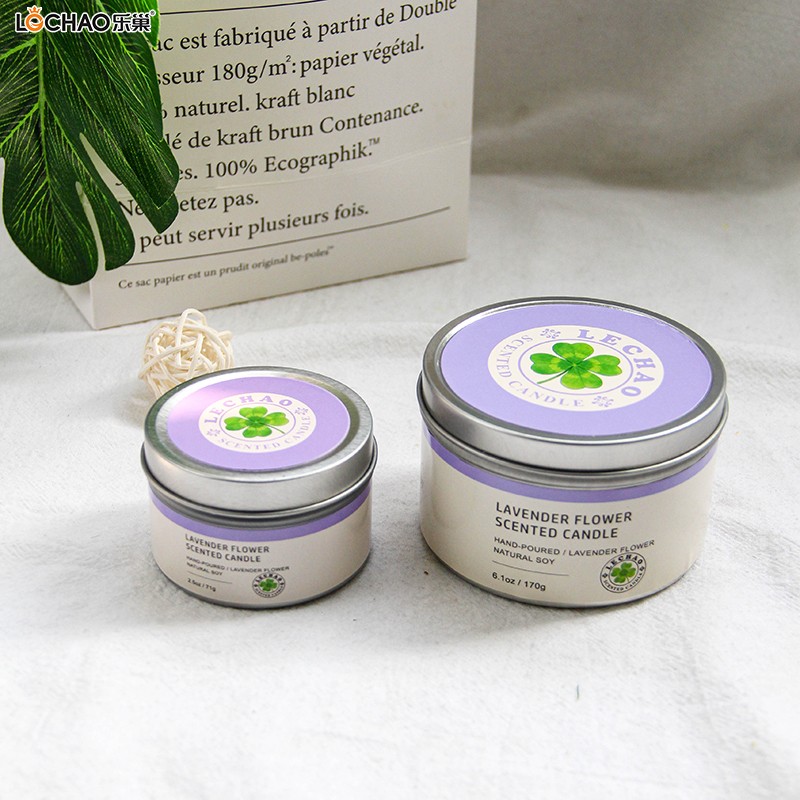
1. Calming & Relaxing Scents
Key Examples: Lavender, chamomile, jasmine, ylang-ylang
Scent Traits: Soft, floral, herbaceous, or subtly sweet; gentle on the senses, with a soothing effect on the nervous system.
Best For: Bedrooms, post-work relaxation, meditation, or times of emotional tension.
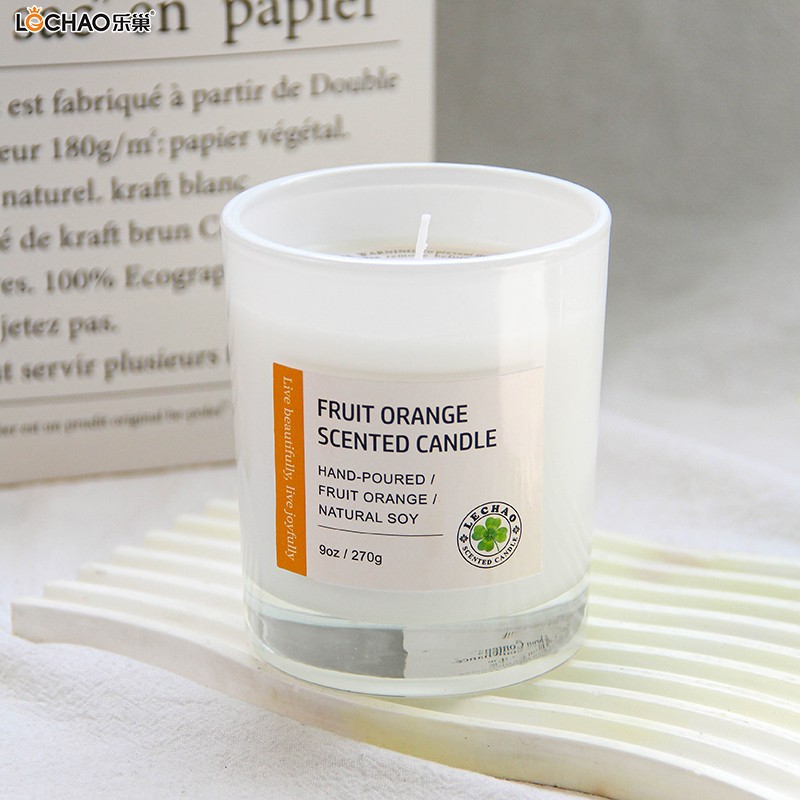
2. Uplifting & Energizing Scents
Key Examples: Lemon, orange, grapefruit, bergamot, tangerine
Scent Traits: Crisp, fresh, citrusy, or tangy; invigorating without being overwhelming.
Best For: Morning routines, home offices, kitchens, or days when you need a mental pick-me-up.
3. Focus & Clarity Scents
Key Examples: Rosemary, peppermint, eucalyptus, tea tree
Scent Traits: Refreshing, aromatic, or cooling; stimulates cognitive function.
Best For: Study sessions, work projects, yoga practices, or when you need to stay alert.
4. Grounding & Earthy Scents
Key Examples: Sandalwood, cedarwood, patchouli, vetiver, oakmoss
Scent Traits: Woody, musky, smoky, or resinous; warm and comforting.
Best For: Evening meditation, cozy nights in, living rooms, or times when you want to feel centered.
5. Fresh & Clean Scents
Key Examples: Lavender (light variant), linen, cucumber, green tea, fresh grass
Scent Traits: Soft, crisp, or green; evokes the feeling of fresh air or clean linens.
Best For: Bathrooms, guest rooms, after cleaning, or anyone who prefers subtle, non-overpowering fragrances.
6. Warm & Comforting Scents
Key Examples: Vanilla, cinnamon, nutmeg, apple cider, pumpkin spice, caramel
Scent Traits: Sweet, spicy, creamy, or gourmand (food-like); inviting and soothing.
Best For: Fall/winter evenings, family gatherings, living rooms, or when you want to create a cozy ambiance.