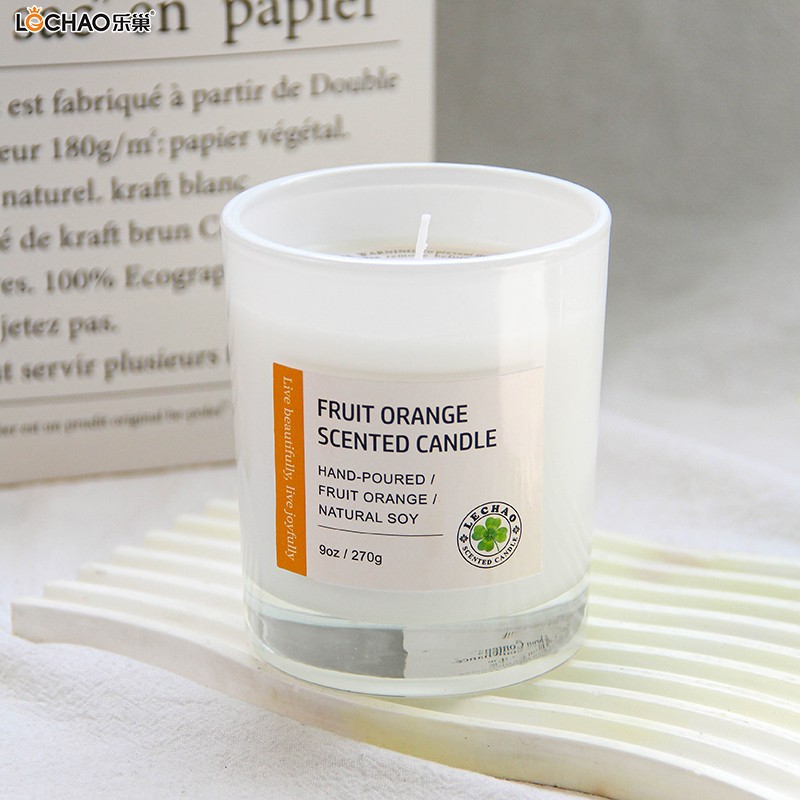
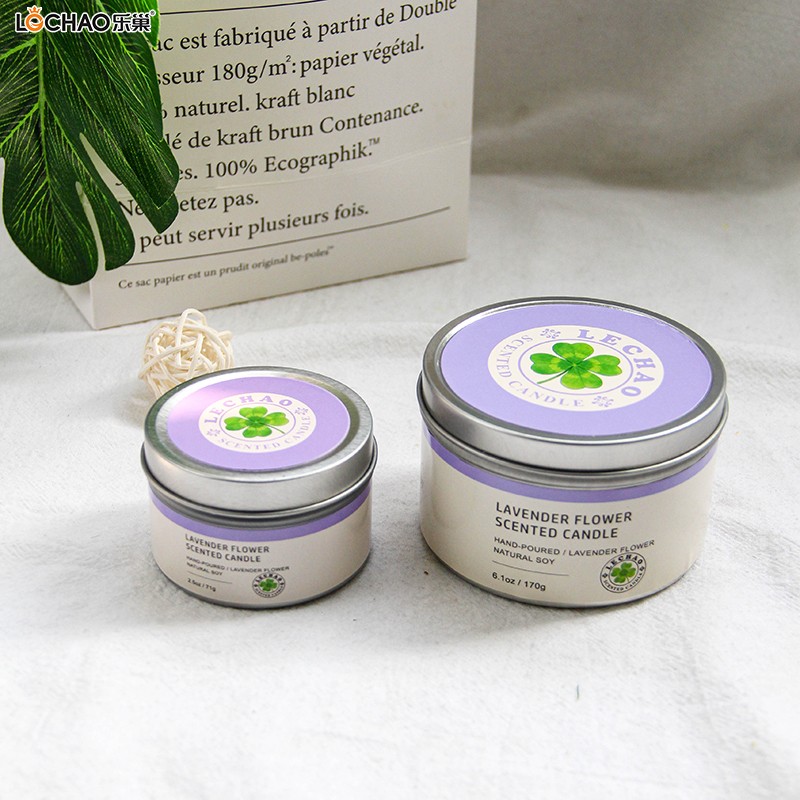
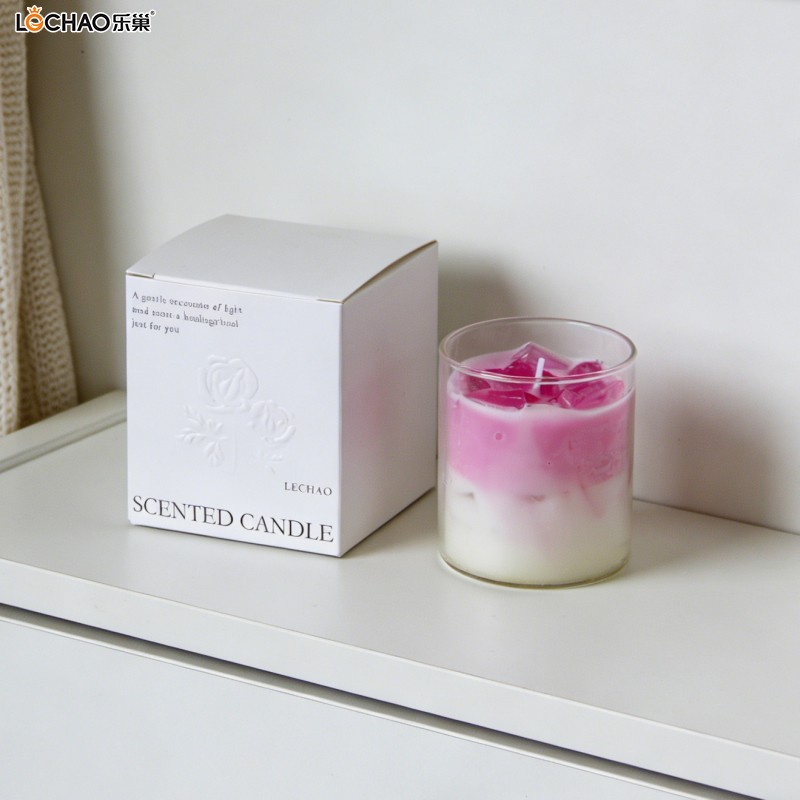
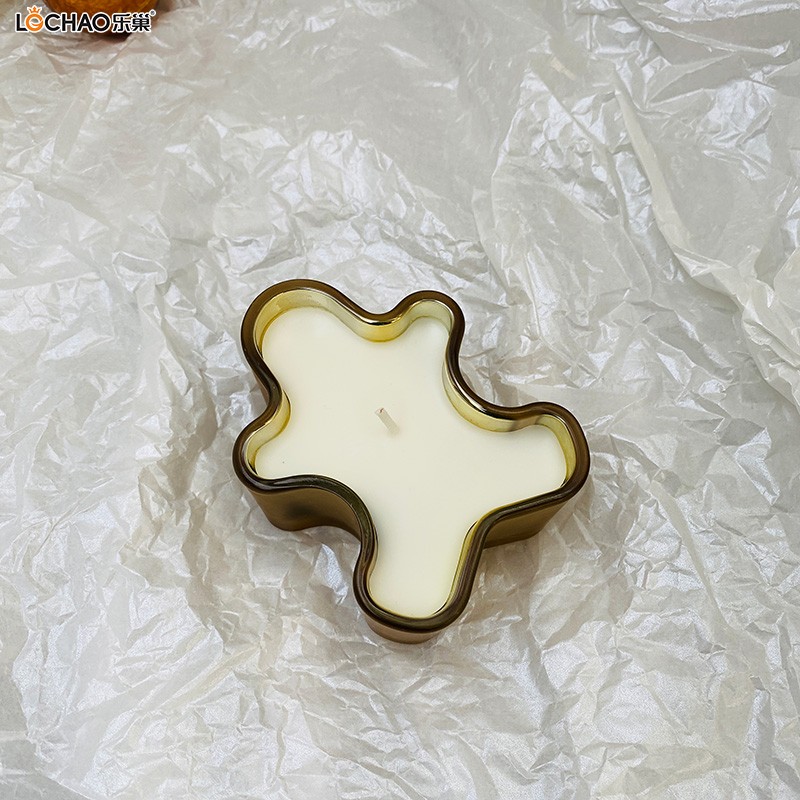
Aromatherapy candles are treasures of scent and calm, blending natural fragrances with warm ambiance to nurture mind and body. But to keep their aromatic potency, clean burn, and visual appeal—whether unlit, partially used, or seasonal—proper storage is non-negotiable. Unlike ordinary candles, aromatherapy variants rely on pure essential oils and natural waxes, which are sensitive to light, temperature, and moisture. Below is a comprehensive guide to storing your aromatherapy candles, ensuring they retain their therapeutic magic for every light-up.
Why Proper Storage Matters
Aromatherapy candles are crafted with delicate components: natural waxes (soy, beeswax, coconut wax) and pure essential oils. Exposure to unfavorable conditions can degrade these ingredients: direct sunlight fades colors and breaks down essential oils, robbing candles of their signature scent; extreme temperatures cause wax to melt, warp, or develop surface cracks; and humidity encourages mold growth or wax discoloration. Even unlit candles lose aroma over time if stored haphazardly. With the right storage, you can extend their lifespan, maintain consistent burn quality, and preserve the full therapeutic effect of their scents.
Core Storage Rules for Aromatherapy Candles
1. Choose the Ideal Environment
Temperature and humidity are the most critical factors. Store candles in a cool, dry place with a consistent temperature between 50°F (10°C) and 75°F (24°C). Avoid areas prone to heat spikes—like near radiators, stovetops, fireplaces, or sunny windowsills—and damp spaces such as bathrooms or basements. Humidity levels above 60% can damage wax and weaken scents, so opt for a well-ventilated closet, pantry, or shelf away from moisture sources.
2. Shield from Light
Ultraviolet (UV) rays from sunlight or harsh artificial light accelerate the breakdown of essential oils and fade candle colors, turning vibrant hues dull and muting fragrances. For unlit candles in clear or colored jars, use opaque storage containers (like tin boxes, wooden crates, or fabric bins) to block light. If keeping candles on display, place them in a shaded area or use decorative covers to shield the wax from direct light when not in use.
3. Seal to Lock in Scent
Essential oil molecules are volatile, meaning they evaporate quickly when exposed to air. To prevent scent loss—especially for partially used candles—always seal the container tightly after burning. Use the original lid if it fits securely; for candles without lids, opt for airtight covers (like glass canisters, silicone lids, or beeswax wraps). Avoid plastic wraps, as they may absorb or transfer odors to the wax. For pillar or taper aromatherapy candles (without jars), wrap them in acid-free tissue paper first, then place in an airtight container to protect both scent and shape.
4. Avoid Odor Contamination
Aromatherapy candles easily absorb surrounding smells, which can overpower their natural fragrances. Never store them near strong-smelling items like spices, cleaning products, perfumes, or food. Keep them in a dedicated storage space—separate from kitchen pantries or bathroom cabinets—to ensure their scent remains pure. If storing multiple candles together, place each in an individual sealed container or wrap them in tissue paper to prevent cross-contamination between scents (e.g., lavender and citrus scents mixing).
5. Handle Partially Used Candles with Care
For candles that have been burned, proper post-use care precedes storage. Before storing, let the wax cool completely and trim the wick to ¼ inch (0.6 cm) to prevent soot buildup and wick damage. Remove any debris (like wick trimmings or matches) from the wax surface to keep it clean. If the candle has developed “tunneling” (uneven wax burn), gently warm the surface with a hair dryer to melt the wax evenly before cooling and storing—this prevents further wax waste and maintains the candle’s shape. Never store a partially burned candle upside down, as this can cause wax leakage.
6. Store Upright and Protect Shape
Always store jarred, pillar, and taper candles in an upright position. This prevents wax from pooling on one side, warping the candle, or leaking from the container. For pillar or taper candles (which are more fragile), use a storage rack or box with dividers to keep them upright and avoid dents, scratches, or breakage. Avoid stacking heavy items on top of candles, as this can crush or deform the wax—even solid natural waxes can lose shape under pressure.
Seasonal Storage Tips
If storing candles for extended periods (e.g., seasonal scents like pumpkin spice in summer or citrus in winter), take extra steps to preserve quality: Wrap each candle in acid-free tissue paper (to prevent color transfer and dust buildup) before placing in an airtight container. Label the container with the scent and purchase date to track freshness—most aromatherapy candles retain peak scent for 6–12 months when stored properly. Avoid storing them in attics or garages, where temperature fluctuations are extreme.
Common Storage Mistakes to Avoid
Storing in the refrigerator: While it may seem like a way to keep wax firm, cold temperatures cause wax to contract, crack, and lose scent. The sudden temperature change when removing from the fridge can also lead to condensation, damaging the candle.
Using plastic containers long-term: Some plastics can react with essential oils over time, altering the scent or contaminating the wax. Opt for glass, metal, or ceramic containers instead.
Ignoring dust: Dust on unlit candle wax can burn unevenly and produce soot. Wipe the wax surface with a clean, dry cloth before storing, and seal tightly to keep dust out.
Final Thoughts
Aromatherapy candles are more than just home decor—they’re a form of self-care. By following these storage guidelines, you’re not just preserving a candle; you’re protecting the calm, joy, and therapeutic benefit it brings to your space. Whether you’re stashing a favorite scent for later or rotating seasonal candles, a little care goes a long way in keeping every burn as fragrant and satisfying as the first.

 English
 Français